Description
Summary
Ibogaine HCl represents the most concentrated and purified form of the naturally occurring ibogaine alkaloid. While raw root bark and total alkaloid extracts (TA) contain a complex spectrum of plant compounds, laboratory processes refine Ibogaine HCl to achieve purity levels typically exceeding 98%.
Global therapeutic programs and botanical research communities prefer this purified salt form whenever they require precise dosage calculations and consistent chemical profiles. This review evaluates the characteristics, sensory traits, pricing, safety profile, and botanical background of Ibogaine HCl from an Australian perspective.
Ibogaine HCl
As a psychoactive alkaloid belonging to the Apocynaceae family, Ibogaine HCl originates from the isolation of active ibogaine from Tabernanthe iboga, followed by its conversion into a stable hydrochloride salt.
Unlike raw botanical material, Ibogaine HCl offers high chemical stability and enhanced solubility. Across various traditional and modern administration models outside standard Australian medical regulations, researchers observe its powerful central nervous system interactions and unique neurological mechanisms.
Ibogaine HCl Production Information
The journey of Ibogaine HCl production begins in controlled horticultural environments where growers cultivate and harvest high-alkaloid Tabernanthe iboga specimens.
Genetics
Strain genetics and environmental conditions heavily influence alkaloid density in Iboga plants:
- Selected Cultivars: Horticulturists specifically cultivate high-yielding strains of Tabernanthe iboga (var. albiflora or sphaerocarpa) to maximize ibogaine output.
- Plant Age: Harvesters target mature plants aged 7 to 10 years to capture peak alkaloid concentrations.
- Extraction Yield: High-grade genetic lineages yield a clean alkaloid base that chemistry specialists easily convert into pure Ibogaine HCl.
Aroma
Unlike raw root bark, which carries a heavy, earthy, and damp wood aroma:
- Purified Profile: Ibogaine HCl exhibits a virtually odorless profile in its isolated crystalline form.
- Faint Earthiness: Semi-purified batches occasionally release a subtle organic scent, though pharmaceutical-grade material remains completely odorless.
Flavor
The taste profile of isolated Ibogaine HCl remains notoriously intense:
- Extremely Bitter: Users experience severe, persistent bitterness immediately upon taste contact.
- Chemical Purity: Pure batches lack the characteristic botanical woodiness of raw root bark, replacing it entirely with a sharp, alkaline bitterness typical of isolated alkaloids.
Appearance
In its refined state, Ibogaine HCl presents distinctive visual features:
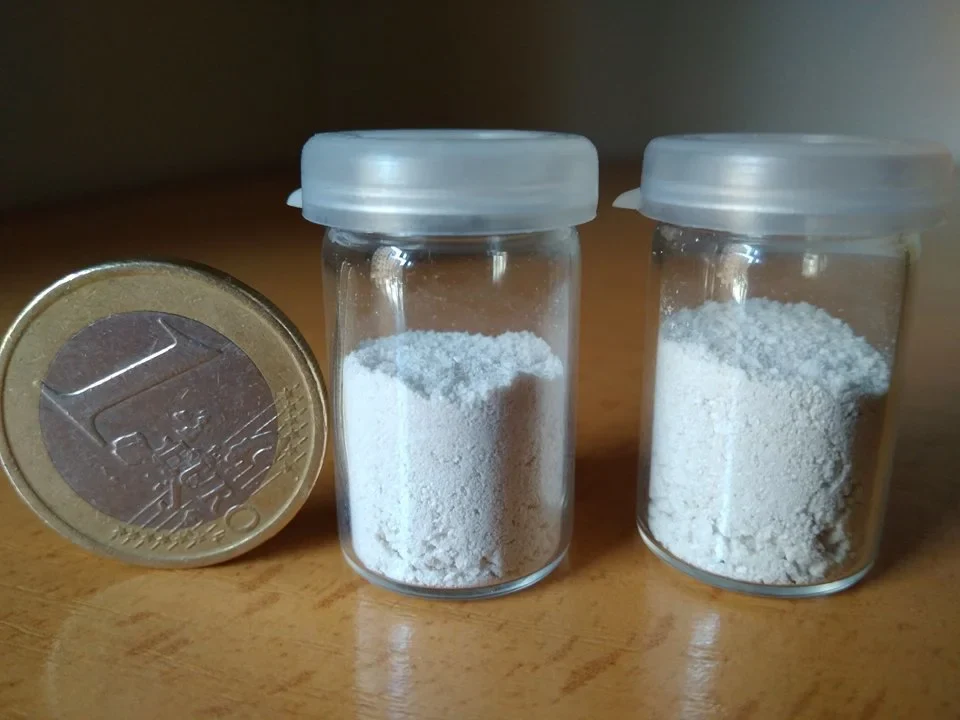
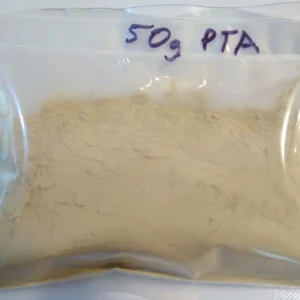
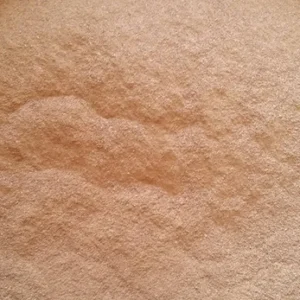
- Color: It ranges from off-white to light beige or tan crystalline powder.
- Texture: It forms a fine micro-crystalline powder or dense granular crystals.
- Purity Markers: Highly refined batches display a bright, uniform off-white appearance without visible dark specks or organic bark residue.
Ibogaine HCl Price Compared
When evaluating the market value of Ibogaine HCl, observers note price variations based on purity levels, origin, and processing complexity.
| Form / Extract | Average Price Range (AUD / Gram) | Key Characteristics |
|---|---|---|
| Raw Iboga Root Bark | $15 – $35 | Low concentration (2–6% alkaloids); bulky organic material. |
| Total Alkaloid (TA) Extract | $60 – $120 | Full-spectrum alkaloid profile (~50–60% purity); brown paste/powder. |
| Ibogaine HCl (Purified) | $150 – $300+ | Highly refined salt (>95–98% purity); precise dosing capability. |
Intensive chemical extraction, purification, and crystallization steps directly drive up the market price of Ibogaine HCl.
Medical Uses of Ibogaine HCl
Globally, Ibogaine HC attracts significant interest from medical researchers, neuroscientists, and addiction specialists.
- Addiction Interruption: International clinical studies focus primarily on how the compound mitigates opioid, alcohol, and stimulant withdrawal symptoms.
- Neuroplasticity Enhancement: Research indicates that Ibogaine HC stimulates GDNF (Glial Cell Line-Derived Neurotrophic Factor) expression, promoting neural repair and brain plasticity.
- Psychological Processing: Administration often induces intense introspection, allowing individuals to process past trauma and behavioral patterns.
Note: In Australia, authorities classify Ibogaine under Schedule 4 or Schedule 9 regulations depending on state law and clinical trial contexts, requiring strict oversight.
Effects of Ibogaine HCl
The subjective and physiological effects of Ibogaine HC unfold in multiple phases over 18 to 36 hours.
Positive Effects
In controlled therapeutic settings, observers frequently document several positive outcomes:
- Rapid Withdrawal Alleviation: The compound significantly reduces severe cravings and physical withdrawal symptoms associated with substance dependence.
- Deep Psychological Insight: Subjects experience lucid, dream-like introspective states that assist in trauma resolution.
- Cognitive Reset: Individuals commonly report a sense of mental clarity and emotional renewal during the integration phase.
Side Effects
Due to its potent pharmacological impact, Ibogaine HC triggers significant physical and psychological side effects:
- Cardiovascular Risks: The compound poses major cardiovascular risks, including QTc interval prolongation and bradycardia (slowed heart rate), demanding continuous ECG monitoring.
- Ataxia and Dizziness: Active phases severely impair motor coordination.
- Nausea and Vomiting: Patients frequently experience gastrointestinal discomfort and intense motion-induced nausea.
- Tremors and Visual Distortions: Peak effects often produce transient visual trails, auditory hums, and physical tremors.
Ibogaine HCl Related Iboga Plant
While laboratory processes isolate Ibogaine HC as a single compound, it remains intrinsically connected to its botanical source:
- Tabernanthe iboga: The perennial rainforest shrub native to Central West Africa (Gabon, Congo, Cameroon) produces the underlying alkaloid structure.
- Full-Spectrum vs. Isolate: Raw Iboga root bark contains over 12 distinct alkaloids (such as ibogamine and ibogaline). While Ibogaine HCl isolates a single active molecule, traditional Bwiti spiritual ceremonies prioritize the full plant matrix.
- Sustainability & Conservation: High global demand for Ibogaine HC puts immense pressure on wild Tabernanthe iboga populations. Sustainable cultivation practices in Australia and West Africa play a crucial role in protecting the species from over-harvesting.
Conclusion
In conclusion, Ibogaine HC represents the pinnacle of botanical refinement derived from the Tabernanthe iboga plant. Its high purity, consistent dosing potential, and unique neurological effects clearly distinguish it from raw root bark and total alkaloid extracts.
While its potential to disrupt addiction and foster neuroplasticity continues to fuel global scientific interest, its severe cardiovascular and physical side effects demand extreme caution, thorough medical screening, and deep respect for both its traditional roots and its potent chemistry.
Reviews
There are no reviews yet.