Description
Summary
Iboga PTA (Purified Total Alkaloid) represents a refined middle ground between raw Tabernanthe iboga root bark and pure ibogaine hydrochloride (HCl). Chemists isolate the complete alkaloid complex from the root bark while removing fibrous plant matter and impurities. Thus, Iboga PTA offers a potent, standardized extract that retains the full-spectrum synergy of the natural plant. Australian ethnobotanical practitioners highly regard Iboga PTA for its clarity and consistency, as it provides a comprehensive entheogenic experience with enhanced physical manageability.
Iboga PTA
Extractors produce Iboga PTA through a chemical purification process that isolates the full spectrum of active alkaloids—including ibogaine, ibogamine, ibogaline, and tabernanthine—from the root bark of Tabernanthe iboga.
Unlike full-spectrum total alkaloid (TA) extracts, which contain higher levels of plant oils and residual plant matter, technicians further purify the PTA format to yield a clean, concentrated salt or freebase form. This delivers the complete natural alkaloid profile while minimizing the heavy physical load that people often experience when consuming raw root bark.
Iboga PTA Production Information
Genetics
Producers extract Iboga PTA exclusively from high-alkaloid strains of Tabernanthe iboga, a perennial rainforest shrub native to Central West Africa (principally Gabon, Cameroon, and the Republic of Congo). At Iboga Farm Australia, we preserve specific genetic lineages to ensure optimal alkaloid density, sustainability, and vitality before initiating any extraction processes.
Aroma
The aroma of high-grade Iboga PTA presents a distinctly earthy, woody, and slightly sharp character. It lacks the heavy, dusty, vegetation scent of raw root bark powder. Instead, it exhibits a clean botanical profile that reflects its purified state.
Flavor
Iboga PTA retains the intensely bitter and astringent taste profile characteristic of the Tabernanthe genus. Because manufacturers concentrate the product heavily, the taste hits the palate quickly with a sharp, earthy metallic bitterness that coats the tongue.
Appearance
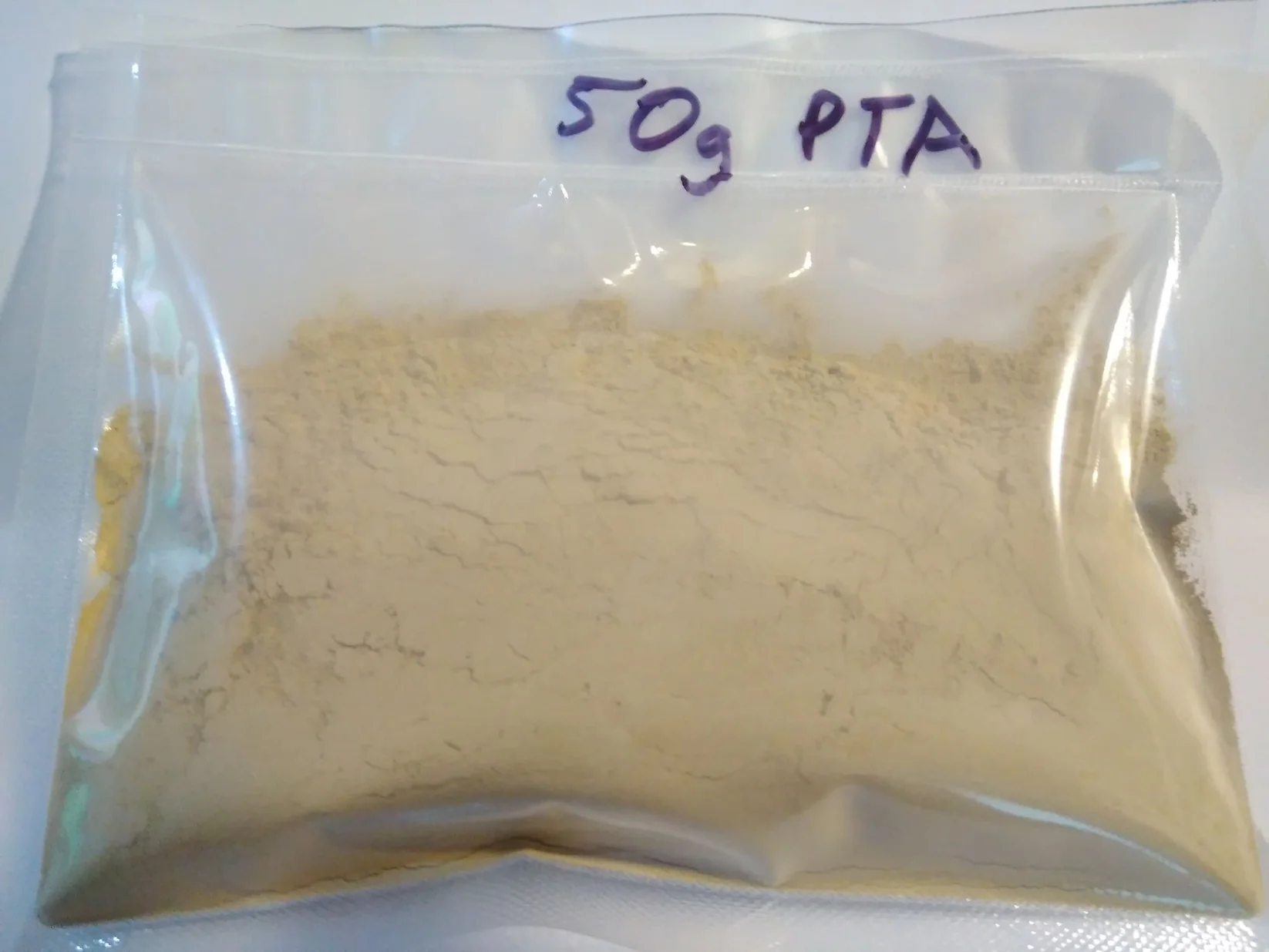
In its finished form, purified total alkaloid usually appears as an off-white, light tan, or pale yellowish fine crystalline powder. High-quality Iboga PTA shows no dark brown plant residues or clumping, which confirms thorough purification and moisture removal.
Iboga PTA Price Compared
When evaluating value across different iboga formats, market prices reflect the labor, purity, and overall yield of the production process:
| Format | Relative Cost | Purity / Alkaloid Concentration | Primary Use Case |
|---|---|---|---|
| Raw Root Bark | Lowest per gram | ~2% – 6% total alkaloids | Traditional microdosing & ceremony |
| Total Alkaloid (TA) | Moderate | ~30% – 50% total alkaloids | Full-spectrum experiences |
| Iboga PTA | Premium | ~60% – 80% total alkaloids | Standardized full-spectrum work |
| Ibogaine HCl | Highest | ~95%+ single alkaloid | Precise clinical/addiction protocols |
While Iboga PTA carries a higher price per gram than standard TA or raw bark, its elevated alkaloid density means users require significantly lower doses. This makes PTA a cost-effective choice for practitioners seeking full-spectrum synergy with clinical-grade precision.
Medical Uses of Iboga PTA
While traditional Bwiti practices utilize raw root bark for spiritual initiation, modern researchers and alternative therapeutic practitioners focus on purified extracts like Iboga PT for several key applications:
- Addiction Interruption: Researchers widely study Iboga PTA for its ability to reset neurochemical pathways, which significantly reduces cravings and withdrawal symptoms associated with opioids, alcohol, and stimulant dependency.
- Neurogenesis & BDNF Brain Reset: The alkaloids in PTA stimulate the production of Brain-Derived Neurotrophic Factor (BDNF) and Glial Cell Line-Derived Neurotrophic Factor (GDNF), encouraging neural plasticity and cognitive repair.
- Psychotherapeutic Processing: Therapists utilize PTA to help individuals process severe trauma, PTSD, depression, and long-standing behavioral patterns in an intensive introspection environment.
Effects of Iboga PT
The journey with Iboga PTA typically unfolds in three distinct phases: the visionary phase (dreamlike introspection), the reflective/evaluative phase, and the residual integration phase.
Positive Effects
- Deep Psychological Insight: Facilitates a panoramic review of past memories and emotional trauma without re-traumatizing the individual.
- Interruption of Habitual Loops: Clears behavioral ruts and addictive thought patterns.
- Enhanced Mental Clarity: Delivers long-term anti-depressant effects and cognitive renewal following the integration period.
- Full-Spectrum Synergy: Combines the targeted power of ibogaine with the supportive grounding effects of secondary alkaloids like ibogamine and tabernanthine.
Side Effects
- Ataxia & Motor Impairment: Causes a temporary loss of physical coordination during the active window, which requires absolute bed rest.
- Nausea & Emesis: Even in purified PTA form, users may experience transient nausea and vomiting during the onset phase.
- Cardiovascular Stress: Can cause transient bradycardia (slowed heart rate), QT interval prolongation, and blood pressure fluctuations.
- Sleep Disruption: Triggers insomnia and heightened neurological stimulation for 24–48 hours following a full experience.
Safety Note: Due to cardiovascular risks associated with all iboga alkaloids, individuals must complete thorough medical screening (including an ECG and liver function panel) prior to administration.
Iboga PTA Related Iboga Plant
The source plant, Tabernanthe iboga, belongs to the Apocynaceae family. Other notable plants within or closely related to this botanical ecosystem include:
- Voacanga africana: Contains voacangine, an alkaloid structurally similar to ibogaine that chemists use as a precursor in botanical extraction.
- Tabernaemontana undulata (Sananga): Shares related indole alkaloids and medicinal properties within traditional Amazonian and African folk medicine.
- Tabernanthe manii: A sister species to Tabernanthe iboga that contains similar, though varied, alkaloid concentrations.
Conclusion
Over 15 years at Iboga Farm in Australia, we have watched Iboga PT earn its reputation as the gold standard for full-spectrum iboga applications. By preserving the natural alkaloid synergy while eliminating raw plant matter, Iboga PTA offers remarkable purity, predictable dosing, and deep therapeutic potential. Whether considered for therapeutic research or deep spiritual exploration, Iboga PTA stands as a true marvel of modern ethnobotanical refinement.
Reviews
There are no reviews yet.