Description
Summary
Iboga fruit pods represent one of the most visually striking and biologically fascinating parts of the Tabernanthe iboga shrub. Originating from the rainforests of Central Africa and now carefully nurtured in specialized Australian greenhouse environments, these bright orange pods contain seeds encased in a sweet, pulpy aril.
While the root bark of the plant contains the highest concentration of psychoactive alkaloids like ibogaine, the fruit pods hold a distinctive place in botanical collections and traditional horticulture. Their seeds provide the genetic foundation for propagation, making high-quality pods essential for cultivators dedicated to preserving this sacred species.
Iboga Fruit Pods
The Iboga fruit pod is the mature seed vessel of Tabernanthe iboga, an evergreen shrub belonging to the Apocynaceae family. In our Australian farm setting, producing healthy pods demands mimicking humid, tropical conditions with rich, well-draining soil.
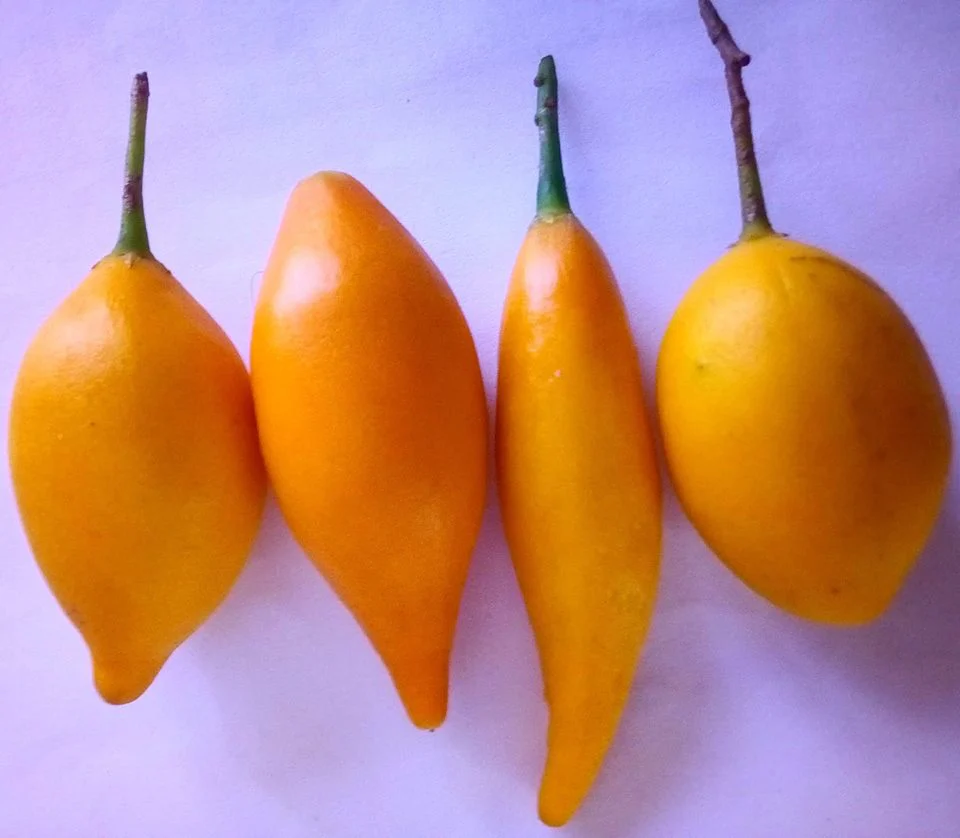
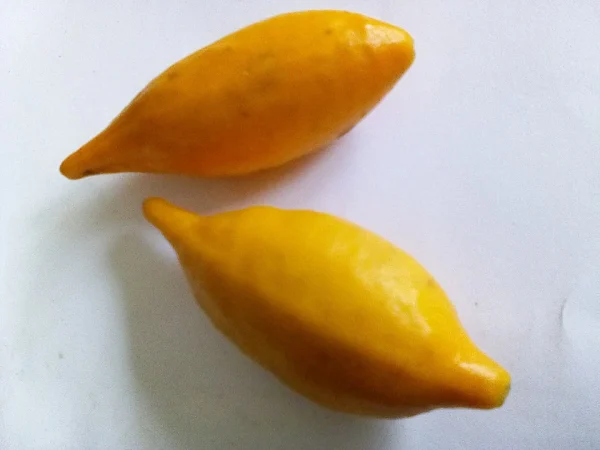
When mature, Iboga fruit pods display a vibrant yellowish-orange hue and an elongated, slightly pointed ovoid shape. Inside each pod lies a soft, edible pulp surrounding numerous dark, wrinkled seeds. Community members and botanical enthusiasts value fresh fruit pods primarily for seed viable germination and species preservation outside its native African habitat.
Iboga Fruit Pods Production Information
Cultivating Iboga fruit pods outside Central Africa requires meticulous attention to environmental factors. Over 15 years of refinement at our facility, specific parameters have proven essential for optimal fruit set and pod development:
- Growth Cycle: Flowers typically bloom after 2 to 3 years of growth, with pods taking several months to reach full maturity.
- Pollination Requirements: Hand pollination is frequently employed in greenhouse settings to ensure maximum pod yield.
- Harvesting Protocol: Pods are hand-harvested only when the exterior transitions to a deep orange color, indicating full seed maturity.
- Post-Harvest Handling: Fresh pods are carefully opened to extract seeds, which are then cleaned and prepped for immediate propagation to maintain viability.
Genetics
Tabernanthe iboga belongs to the family Apocynaceae (dogbane family). The genetics of our cultivated Iboga fruit pods trace back to authentic Central African landraces, primarily from Gabon and the Congo basin. Maintaining genetic diversity is a core priority at the Iboga Farm community, as strong lineage ensures resilience against pests and maintains traditional alkaloid profiles across generations.
Aroma
The aroma of fresh Iboga fruit pods is subtle yet distinct:
- Exterior: The outer skin carries a clean, earthy, and slightly woodsy fragrance.
- Interior Pulp: Once opened, the inner pulp releases a mildly sweet, tropical scent with faint floral undertones, contrasting sharply with the pungent, bitter aroma of the plant’s roots.
Flavor
While the root bark is intensely bitter and astringent, the pulp surrounding the seeds in Iboga fruit pods presents a surprising contrast:
- Primary Taste: Mildly sweet with a delicate fruity tang.
- Texture: Soft, gelatinous, and fibrous around the seeds.
- Note: Indigenous wildlife in Central Africa frequently consumes the fruit pulp, assisting in natural seed dispersal.
Appearance
Visual identification of mature Iboga fruit pods relies on several clear characteristics:
- Shape: Smooth, spindle-shaped to ovoid, tapering to a point at the tip.
- Color: Shifts from deep green during early growth to a bright orange or yellow-orange at full maturity.
- Size: Typically ranges between 4 to 7 centimeters in length.
- Interior: Contains multiple dark brown or black seeds embedded in an orange-white pulpy matrix.
Iboga Fruit Pods Price Compared
Sourcing authentic Iboga fruit pods or viable seeds involves understanding market variations based on freshness, origin, and ethics. Because fresh pods have a limited shelf life, pricing reflects the specialized care required for harvest and transport.
| Specimen / Product Type | Average Market Price (AUD) | Key Features & Considerations |
|---|---|---|
| Fresh Iboga Fruit Pod | $80 – $130 per pod | High seed viability; seasonal availability; ideal for propagation. |
| Cleaned Viable Seeds | $15 – $25 per seed | Extracted from mature pods; tested for germination readiness. |
| Raw Iboga Root Bark | $25 – $40 per gram | High alkaloid concentration; wild-harvested or farmed root material. |
| Iboga Total Alkaloid (TA) | $60 – $100 per gram | Concentrated extract containing the full spectrum of root alkaloids. |
Purchasing whole Iboga fruit pods offers the advantage of guaranteed seed freshness compared to dry seeds stored for long periods.
Medical Uses of Iboga Fruit Pods
In traditional African ethnobotanical practices, different parts of the Tabernanthe iboga plant serve distinct roles. While the root bark is famous for its intensive therapeutic and ceremonial applications, the Iboga fruit pods hold a more localized place in folk tradition:
- Nutritional Use: The sweet fruit pulp is occasionally consumed locally as a minor trail snack or mild tonic.
- Topical Applications: In some regional customs, extracts from the fruit husk are applied externally for skin irritations.
- Alkaloid Content: Unlike the dense root system, Iboga fruit pods contain only trace amounts of ibogaine and secondary alkaloids, making them unsuitable for formal addiction disruption or deep psychoactive therapy.
Effects of Iboga PTA
While the fruit pod itself contains minimal alkaloids, extracts derived from the plant’s root bark—such as Iboga PTA (Purified Total Alkaloid)—produce profound physiological and psychological effects. Iboga PTA contains the full spectrum of alkaloids isolated from the root, providing a balanced profile often preferred in therapeutic settings.
Positive Effects
- Addiction Interrupting Properties: Reduces cravings and withdrawal symptoms associated with opioids, alcohol, and stimulant dependency.
- Psychological Insight: Facilitates deep introspective states, helping individuals process past trauma and behavioral patterns.
- Neuroplasticity Support: Research suggests ibogaine stimulates brain-derived neurotrophic factor (BDNF), promoting neural repair and cognitive reset.
- Enhanced Mental Clarity: Following the acute phase, many report lasting emotional stability and renewed focus.
Side Effects
Due to the potency of Tabernanthe iboga alkaloids, administration carries serious risks that require professional medical supervision:
- Cardiac Toxicity: Ibogaine prolongs the QTc interval, creating potential risks for fatal cardiac arrhythmias.
- Ataxia & Dizziness: Loss of motor coordination and severe lightheadedness occur during acute exposure.
- Nausea & Emesis: Gastrointestinal distress and vomiting are common physiological responses.
- Visual Hallucinations & Tremors: Intense visual phenomena and physical tremors occur during the peak phase.
Iboga Fruit Pods Related Iboga Plant
The Iboga fruit pod is simply one stage in the fascinating life cycle of Tabernanthe iboga. Understanding the entire plant enhances appreciation for the pod’s role:
- Roots: The primary storehouse of ibogaine, ibogamine, and voacangine. The root bark is carefully peeled without killing mature plants when sustainable harvesting techniques are applied.
- Foliage: Dark green, narrow, opposite leaves that require high humidity and shade protection to prevent drying out.
- Flowers: Small, white-to-pinkish tubular blossoms with a distinct sweet scent that bloom before pod development.
- Conservation Status: Due to overharvesting in wild habitats, cultivated Iboga fruit pods generated on botanical farms play a crucial role in safeguarding the species from extinction.
Conclusion
Over 15 years of hands-on cultivation at the Iboga Farm community in Australia has shown that Iboga fruit pods are essential for the preservation and study of Tabernanthe iboga. While the pods themselves offer a sweet pulp and only trace alkaloid levels, their true value lies in the viable seeds they yield for sustainable propagation. Whether you are a botanical collector, a researcher, or an ethnobotanical enthusiast, understanding the production, genetics, and characteristics of Iboga fruit pods provides vital insight into one of the world’s most revered medicinal plants.

Reviews
There are no reviews yet.